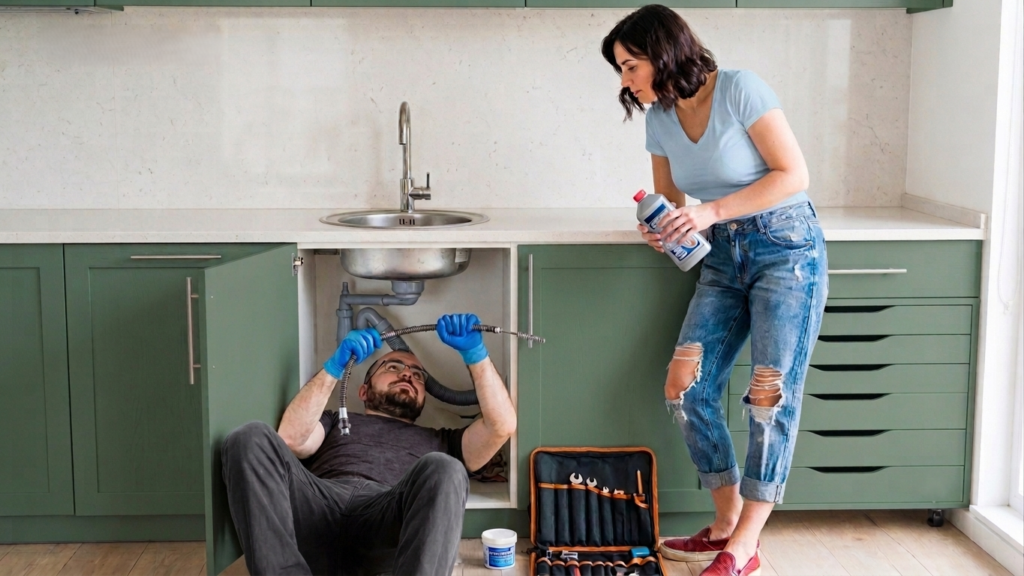
A slow sink, standing water in your shower, or unpleasant drain odors are more than everyday inconveniences, they are your plumbing system’s way of telling you something is not right.
This guide from City Local Plumbing explains what causes drain problems, how to identify the type of clog you are dealing with, when a DIY fix makes sense, and when professional drain cleaning is the smarter solution. The sooner you address the issue, the less likely it is to snowball into a costly plumbing repair.
What Does Drain Cleaning Actually Do?
Drain cleaning removes the buildup that is restricting water flow inside your pipes. It is designed to restore proper drainage, not just create a temporary opening through the clog.
Many homeowners assume a plunger or chemical cleaner solves the problem. In reality, those methods often clear only part of the blockage, leaving grease, soap residue, or debris behind. That is why the same drain may clog again a few weeks later.
Professional drain cleaning focuses on removing the source of the problem rather than treating the symptom. Depending on what’s causing the blockage, the solution may involve drain snaking, hydro jetting, or a camera inspection to identify hidden issues inside the pipe.
At City Local Plumbing, we choose the cleaning method based on your plumbing system, not a one-size-fits-all approach.
Why Does Your Drain Keep Clogging?
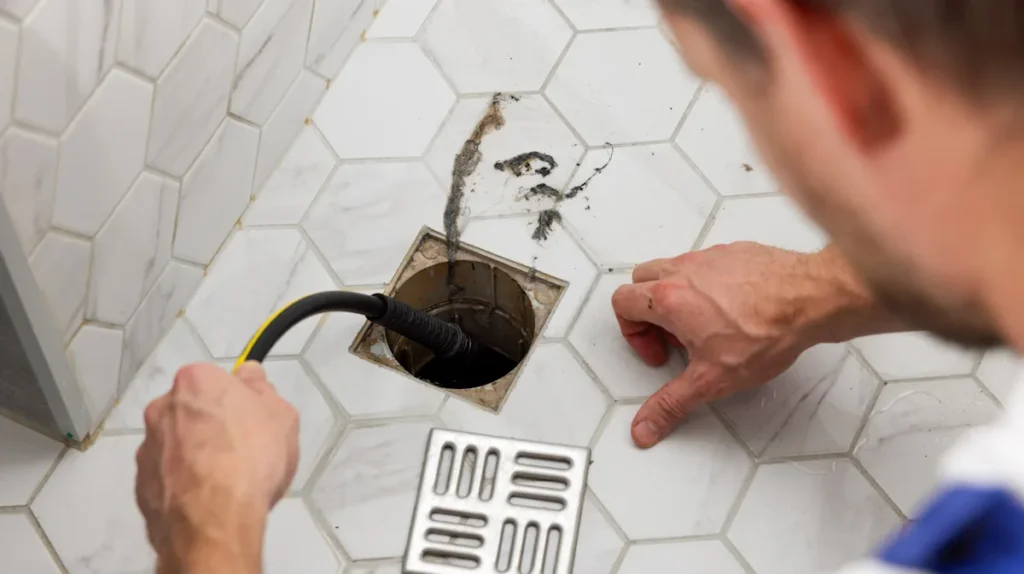
If the same drain keeps clogging, the blockage usually is not completely gone. Everyday debris continues building up inside the pipe until water has less room to flow.
The cause depends on where the clog is located. Knowing what typically collects in each drain can help you understand why the problem keeps returning.
Kitchen Sink
Grease and food waste are the biggest reasons kitchen drains clog.
Cooking oil, grease, coffee grounds, starches, and food scraps stick to the inside of the pipe over time. As the layer thickens, water slows down and eventually stops flowing freely.
The good news? Regular professional cleaning removes that buildup before it becomes a stubborn blockage.
Bathroom Drains
Hair and soap scum create most bathroom drain clogs.
Hair catches inside the drain first, then soap residue sticks to it and forms a larger blockage. If your shower takes longer to drain or water starts pooling around your feet, it is usually an early warning sign that the pipe needs attention.
Addressing it early is far easier than waiting until the drain stops working altogether.
Laundry Drains
Lint doesn’t just stay inside your washing machine, it also travels into your drain line.
Over time, lint mixes with detergent residue and dirt, creating a dense clog that is difficult to remove without professional equipment. Routine drain maintenance helps keep laundry drains flowing efficiently.
Main Sewer Line
When several drains slow down at the same time, the problem is often deeper than a single fixture.
Tree roots, pipe scale, corrosion, or heavy debris can restrict the main sewer line that carries wastewater away from your home. Because every drain connects to this line, one blockage can affect multiple areas of the house.
Instead of guessing what’s underground, a professional inspection identifies the exact cause so the right solution can be applied the first time.
How Can You Tell If Your Drain Needs Professional Cleaning?
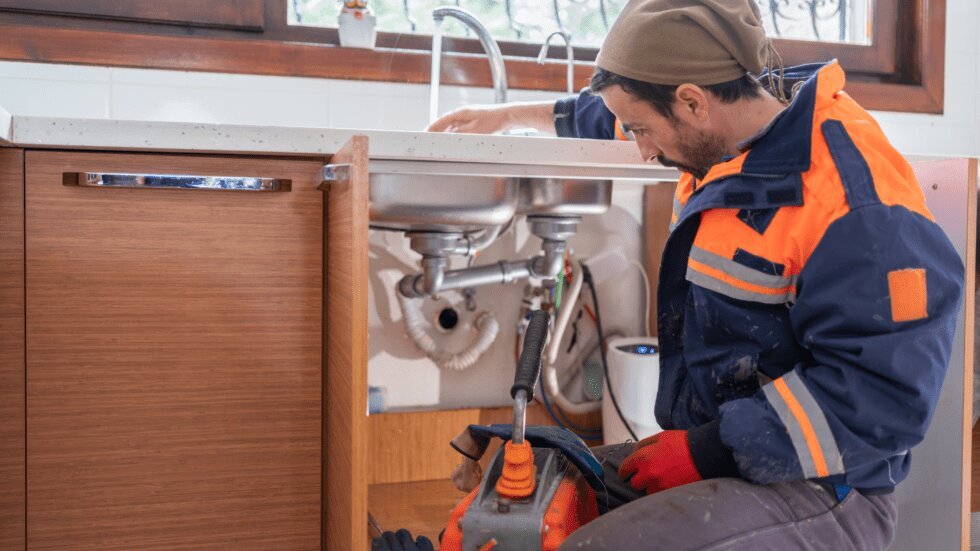
If your drain problem keeps coming back or starts affecting more than one fixture, it is time to look beyond a simple DIY fix. Professional drain cleaning can remove deeper blockages before they lead to pipe damage or sewage backups.
Here are the warning signs homeowners should not ignore.
Water Drains Slower Than Normal
A slow drain usually means debris has started restricting water flow inside the pipe.
This often begins gradually, so it is easy to overlook. If water takes longer to leave your sink, shower, or bathtub than it did a few weeks ago, the blockage is likely getting worse, not better.
Taking action now is much easier than waiting until the drain stops working completely.
Standing Water Around the Drain
Water that sits in your sink or shower after use often points to a blockage that is preventing proper drainage.
While a minor clog may cause slow drainage, standing water usually means there is very little space left for water to pass through. Ignoring it can place extra pressure on your plumbing system and increase the risk of a complete backup.
Bad Odors Coming From the Drain
Unpleasant drain odors are often caused by waste trapped inside the pipe.
Grease, food particles, soap residue, and other organic materials begin to break down over time, creating unpleasant smells that air fresheners won’t fix.
Cleaning the drain removes the source of the odor instead of simply masking it.
Gurgling Sounds After Water Drains
A gurgling drain is often a sign that air is struggling to move through the plumbing system.
When a blockage disrupts normal water flow, trapped air escapes through nearby drains and creates bubbling or gurgling sounds. It is an early warning that the clog may be getting larger.
Multiple Drains Are Having Problems
If your kitchen sink, bathroom sink, or shower all start draining slowly, the issue may be in your main sewer line.
This is not something a plunger can usually fix. A professional inspection can determine whether the restriction is caused by tree roots, pipe buildup, or another issue affecting your home’s drainage system.
When several fixtures are involved, it is best to stay ahead of the curve before a small restriction turns into a major plumbing repair.
Can You Fix a Clogged Drain Yourself?
Yes, but only if the blockage is minor and close to the drain opening. If the clog keeps returning, DIY methods may only treat the symptom instead of solving the real problem.
Before calling a plumber, here are a few methods that are generally safe to try.
Flush the Drain With Hot Water
Hot water can help loosen light grease or soap residue, especially in kitchen and bathroom sinks.
It works best for minor buildup, but it won’t remove heavy grease deposits, tree roots, or compacted debris deeper inside the pipe.
Use a Plunger
A plunger creates pressure that can dislodge small clogs near the drain.
If water begins flowing normally after one attempt and continues draining well over the next few days, the blockage was likely minor. If the problem returns, there is probably more buildup farther down the line.
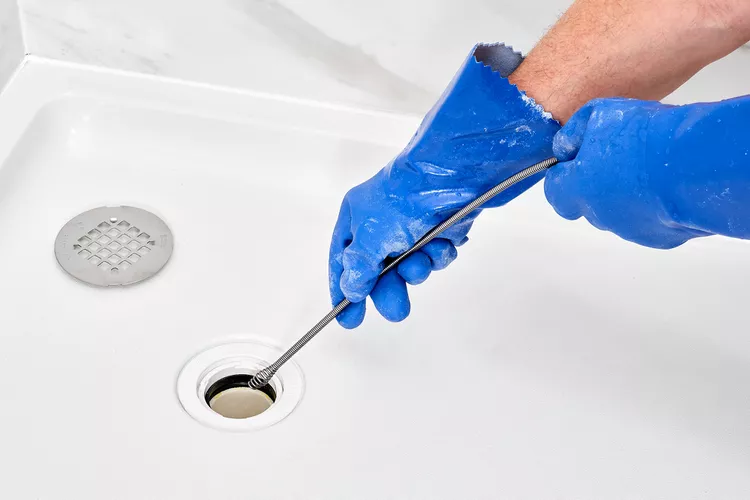
Try a Hand Drain Snake
A basic drain snake can remove hair and small obstructions from bathroom drains.
It is a practical tool for shallow clogs, but forcing it too far into the pipe without experience can damage older plumbing or simply push the blockage deeper.
Should You Use Chemical Drain Cleaners?
Chemical drain cleaners may provide a quick result, but they aren’t always the safest choice for your plumbing.
Many products generate heat as they work, which can weaken older pipes or damage certain plumbing materials when used repeatedly. They also don’t remove the full buildup that is causing recurring clogs.
If you have already tried a chemical cleaner and the drain slows down again, it is a sign the blockage wasn’t fully cleared.
Which Professional Drain Cleaning Method Is Right for Your Problem?
The best drain cleaning method depends on what’s blocking your pipe. A professional plumber chooses the solution based on the type of clog, its location, and the condition of your plumbing system.
At City Local Plumbing, we don’t rely on guesswork. We inspect the problem first, then recommend the most effective cleaning method.
Drain Snaking
Best for: Hair clogs, soap buildup, and localized blockages.
A drain snake breaks apart or pulls out clogs that are close to the drain opening. It is a fast and effective solution for many bathroom sinks, showers, bathtubs, and smaller branch drain lines.
Hydro Jetting
Best for: Grease buildup, sludge, mineral deposits, and recurring drain problems.
Instead of punching a hole through the clog, hydro jetting uses high-pressure water to clean the inside walls of the pipe. This removes years of accumulated buildup and helps restore full water flow.
For many homeowners dealing with repeat drain issues, hydro jetting provides a longer-lasting solution than basic snaking.
Sewer Camera Inspection
Best for: Finding hidden plumbing problems before choosing a repair.
When the cause of a blockage is not obvious, a waterproof camera is inserted into the drain line to inspect the pipe from the inside. This helps identify issues such as tree root intrusion, cracked pipes, heavy scale buildup, or collapsed sections without unnecessary digging.
It also ensures the recommended solution targets the real problem instead of scratching the surface.
Drain Snaking vs. Hydro Jetting: Which One Do You Need?
If you are dealing with a simple clog, drain snaking is often enough. If the blockage keeps coming back, hydro jetting is usually the better long-term solution.
Here’s a simple way to compare them:
| If Your Problem Is… | Recommended Solution |
| Hair clog in a shower or sink | Drain Snaking |
| Slow kitchen drain caused by grease | Hydro Jetting |
| Repeated drain backups | Hydro Jetting |
| Small blockage near the drain | Drain Snaking |
| Heavy pipe buildup | Hydro Jetting |
| Unsure what’s causing the clog | Camera Inspection First |
Choosing the right method the first time saves both time and unnecessary repair costs. That is why our team at City Local Plumbing always recommends the solution that matches the condition of your plumbing, not just the symptom you are seeing today.
When Should You Call a Professional Plumber?
If a drain problem keeps coming back after you have tried basic DIY solutions, it is time to have the system professionally inspected. Waiting too long can allow a small blockage to turn into a much larger plumbing issue.
Here are a few situations where scheduling professional drain cleaning is the smartest choice.
Your Drain Keeps Clogging
If you have cleared the same drain more than once in a short period, there is likely a deeper buildup inside the pipe. Removing only part of the blockage won’t stop it from returning.
More Than One Drain Is Backing Up
When multiple fixtures begin draining slowly at the same time, the issue often extends beyond a single sink or shower. A professional inspection can determine whether the main sewer line is restricting water flow.
You Notice Sewage Odors Indoors
Persistent sewer odors usually indicate waste is not moving through the plumbing system as it should. Rather than covering the smell, it is important to identify and remove the source.
DIY Methods Didn’t Solve the Problem
If hot water, a plunger, or a hand drain snake didn’t restore normal drainage, continuing to repeat the same methods may only waste time. Professional equipment is designed to remove blockages that household tools can’t reach.
Sometimes the best way to save money is to solve the problem correctly the first time instead of chasing temporary fixes.
How Can You Prevent Future Drain Clogs?
Good drain habits reduce the chance of recurring blockages and help your plumbing system perform better for years to come. A little prevention today can save you a major repair tomorrow.
In the Kitchen
- Pour cooking grease into a container instead of the sink.
- Scrape food scraps into the trash before washing dishes.
- Avoid rinsing coffee grounds, rice, pasta, or eggshells down the drain.
In the Bathroom
- Use a hair catcher in showers and bathtubs.
- Clean drain covers regularly.
- Flush only toilet paper, never wipes or hygiene products, even if they are labeled “flushable.”
Throughout Your Home
- Schedule professional drain cleaning before small buildup becomes a major blockage.
- Address slow drains early instead of waiting for a complete backup.
- Consider a camera inspection if your home has older plumbing or recurring drain issues.
As the saying goes, an ounce of prevention is worth a pound of cure. Regular maintenance is almost always easier, and more affordable, than emergency plumbing repairs.
Frequently Asked Questions
How often should drains be professionally cleaned?
For most homes, professional drain cleaning every 18–24 months helps prevent buildup before it causes recurring clogs. Homes with older plumbing, large families, or frequent kitchen use may benefit from more frequent maintenance.
Is hydro jetting safe for all pipes?
Hydro jetting is safe for most plumbing systems when the pipes are in good condition. If your home has older or damaged pipes, a camera inspection helps determine whether hydro jetting is the right option before cleaning begins.
Why does my drain keep clogging after I clear it?
A recurring clog usually means part of the blockage is still inside the pipe or there is a deeper issue farther down the drain line. Professional cleaning removes the remaining buildup instead of creating a temporary opening through it.
Are chemical drain cleaners recommended?
They can provide a short-term result, but frequent use may damage older plumbing and often fails to remove the full blockage. Mechanical cleaning methods are typically safer and more effective for recurring drain problems.
How long does professional drain cleaning take?
Most standard drain cleaning appointments are completed within one to two hours, depending on the location and severity of the blockage. More complex sewer line issues may require additional inspection or cleaning time.
What’s the difference between drain cleaning and drain clearing?
Drain clearing restores water flow by opening a path through the blockage. Drain cleaning removes the buildup from inside the pipe, making it less likely for the same problem to return.
Keep Your Drains Flowing With Professional Help
A clogged drain rarely starts as a plumbing emergency. In most homes, it begins with small warning signs like slower drainage, occasional gurgling sounds, or unpleasant odors. Catching those problems early gives you more control over the repair and helps you avoid larger issues later.
If there is one piece of advice worth remembering, it is this: don’t focus on clearing the clog, focus on finding out why it formed in the first place. A drain that clogs once may be an inconvenience, but a drain that keeps clogging is usually telling you there is a deeper problem that should not be ignored.
Simple maintenance, good daily habits, and timely professional inspections can go a long way toward keeping your plumbing system running reliably. As the saying goes, “A stitch in time saves nine.” Taking care of a small drain issue today is almost always easier, and far less expensive, than dealing with water damage or a sewer backup later.
If you have reached the point where DIY solutions are no longer working, the team at City Local Plumbing is here to help you identify the real cause and recommend the right solution for your home. Our goal is not just to clear today’s clog, it is to help you avoid the next one.