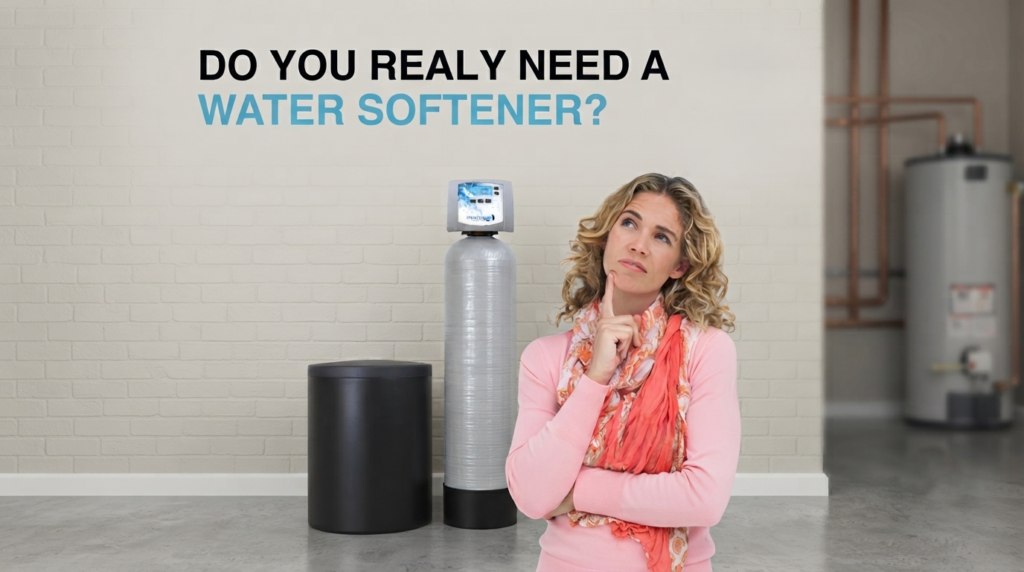
Ever scrub white crust off your faucets, only for it to show back up three days later? That’s hard water for you. If you’re a homeowner in Columbia, SC, you’re probably fed up with cloudy glasses, itchy skin after a shower, and water heaters giving out years too early. Deciding if a treatment system is worth the investment means looking closely at the real pros & cons of water softener units.
Below, we’ll go over what these systems actually do, their true costs, the health facts around salt, and simple ways to tell if your house even needs one.
What Do Water Softeners Do?
So, what do water softeners do when you install one on your main line? Simply put, they pull out calcium and magnesium. Those are the two minerals responsible for making your home’s water hard.
You don’t need a science degree to understand how it works. The whole job happens inside a small tank through four simple steps:
- Passes through resin: Hard water flows into a tank packed with tiny resin beads.
- Traps the minerals: Those beads act like magnets, grabbing and holding onto the heavy calcium and magnesium.
- Swaps in soft ions: A small amount of sodium or potassium drops off the beads to replace those trapped minerals.
- Sends out soft water: Mineral-free water flows straight out to your kitchen sinks, showers, and household pipes.
By swapping those harsh minerals out before they enter your home, the unit stops scale from forming inside your plumbing system.
Pros of a Water Softener
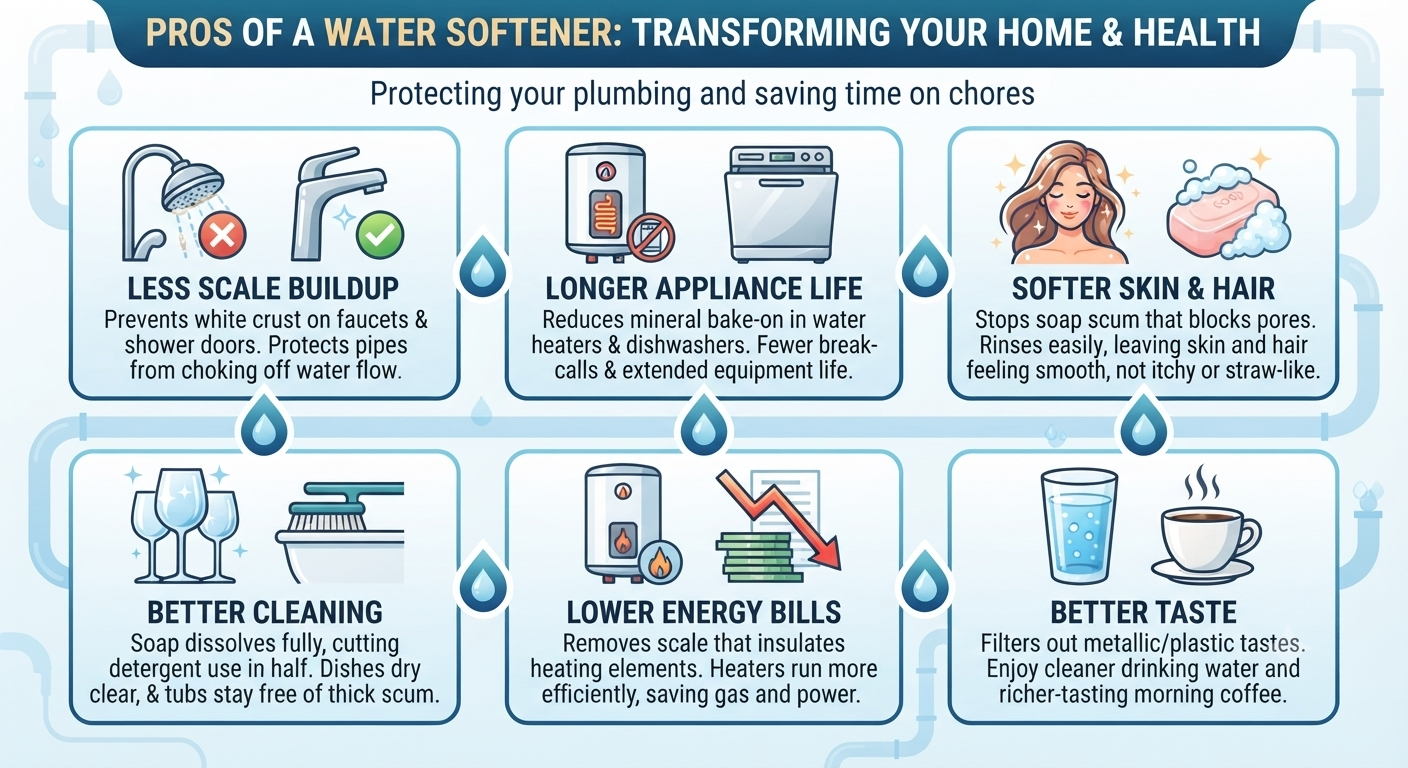
Installing one of these units comes with some clear perks. Looking at the main benefits of water softener system setups, it mostly boils down to protecting your home’s plumbing and saving time on daily chores.
Less Scale Buildup: If there’s no calcium in the water, white crust won’t cake onto your faucets or shower doors. That matters because over time, heavy scale can damage your pipes over time by choking off water flow completely.
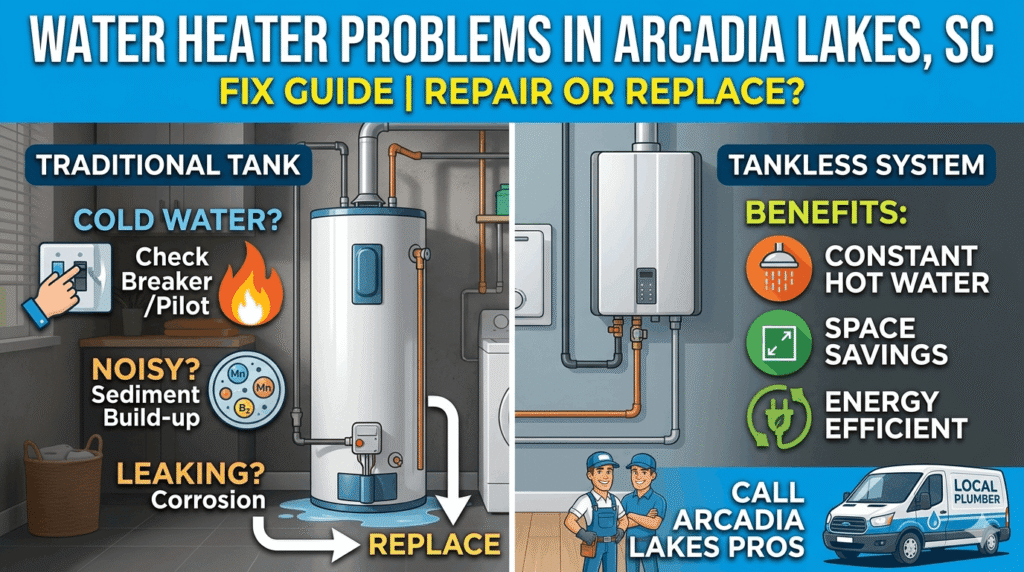
Longer Appliance Life: Minerals bake onto heater parts and ruin dishwasher pumps fast. When you stop scale buildup inside your water heater, elements don’t burn out early. That means fewer surprise breakdown calls and longer-lasting equipment.
Softer Skin and Hair: Hard water forms a sticky scum with soap that won’t wash off easily. It sits on your skin, blocks pores, and strips moisture. Soft water rinses off right away. You won’t feel itchy after showers, and hair stops feeling like straw.
Better Cleaning: Soap actually dissolves in soft water. It doesn’t turn into thick scum on your tub walls. You can cut detergent use in half, and kitchen glasses dry clear without white spots everywhere.
Lower Energy Bills: Scale blocks heat from getting into your water. When your tank builds up a crust, it burns way more gas or power just to warm up. A clean heater uses less energy and keeps bills down.
Better Taste: High mineral levels leave tap water tasting like metal or plastic. Filter those out, and your drinking water tastes clean. Plus, your morning coffee tastes way better.
Cons of a Water Softener (Drawbacks)
No plumbing equipment is flawless. When looking at the pros & cons of these systems, you need a fair view of the drawbacks before buying.
Upfront Costs: Buying the unit and paying a professional to connect it to your main water line requires a decent chunk of money right away.
Ongoing Salt Refills: You cannot just leave the tank alone. Every few weeks, you have to buy and carry heavy 40-pound salt or potassium bags to keep the brine tank filled.
Adds Sodium: The softening cycle releases small amounts of salt into your drinking water. It isn’t a huge amount, but anyone on a doctor-ordered low-sodium diet should factor this in.
Salty Wastewater: When the system cleans itself, it flushes several gallons of salty wastewater down the drain. Some local sewer systems and rural septic setups don’t handle extra salt well.
Takes Up Floor Space: The setup needs a dry, flat spot right where your main water line enters the house. Having both a resin tank and a salt tank takes up noticeable space in a garage or utility room.
Possible Flow Drop: If the unit is sized wrong for your home’s needs, water pressure drops at your faucets. If you ever notice sudden pressure issues or leaks around your pipes, having a plumber check the setup keeps your lines safe.
Are Water Softeners Bad for Your Health?
When people search for softeners that use salt, they immediately stop and think: are water softeners bad for your health? The answer is no. But understanding how the softening process transforms your household tap water helps you decide what works best for your home.
Softening units work by swapping out hard minerals like calcium for low amounts of sodium. Exactly how much salt gets added depends on how hard your incoming water is to begin with. The harder the water supply, the more sodium gets traded in during the process.
For most people, drinking softened water won’t hurt you. The main thing to watch is the sodium level. It matters mostly if you’re cut off from salt by a doctor or managing high blood pressure. Don’t want to drink it? You can still keep soft water for the rest of your house. Just use one of these simple fixes:
- Have a plumber keep one cold water line unsoftened specifically for cooking and drinking.
- Install a small under-sink RO system to pull out the sodium before filling your glass.
- Fill your brine tank with potassium pellets instead of standard salt bags. It softens water the same way without adding any sodium.
Important Note: This information is not medical advice. If you have a medical condition, consult your doctor first!
How to Know If You Need a Water Softener
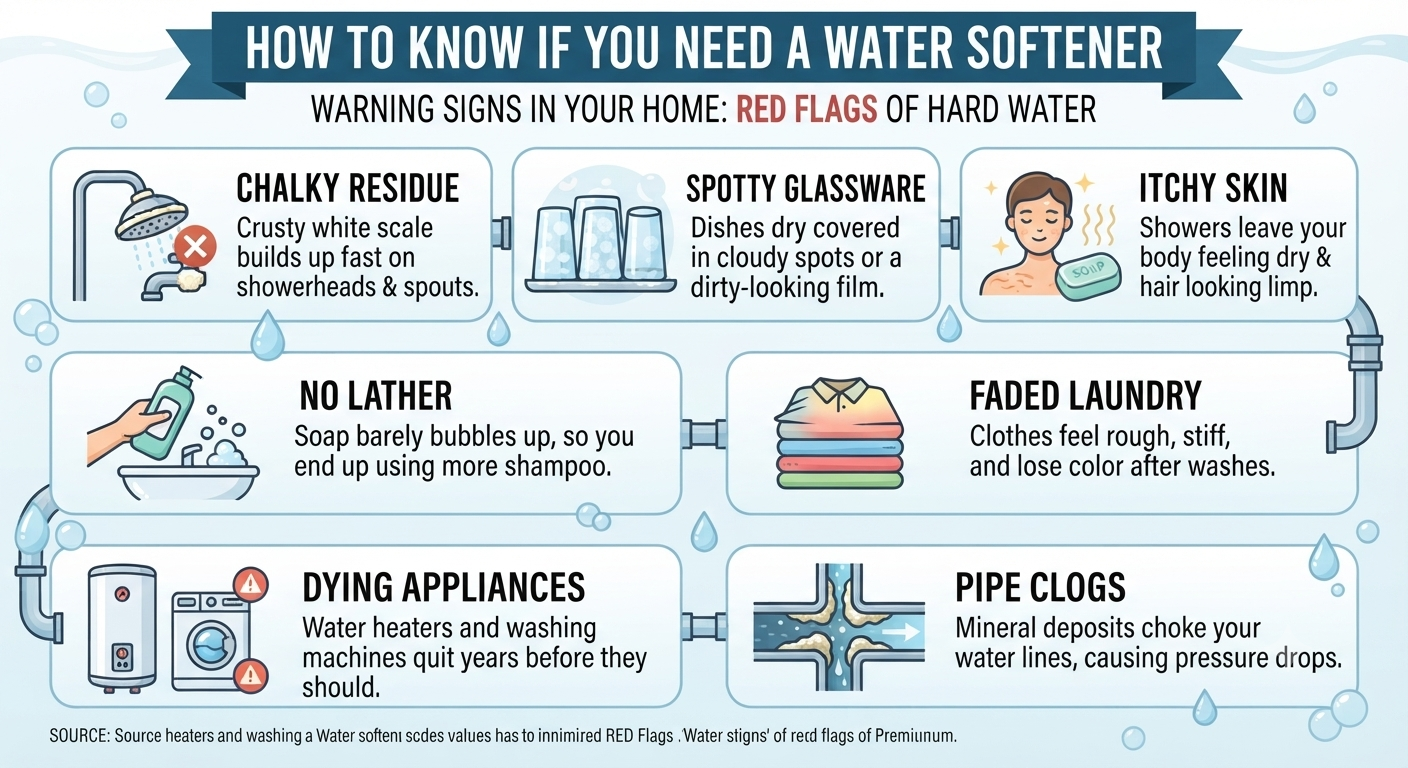
Scrubbing crusty white film off your faucets every single week gets old fast. If that sounds familiar, figuring out how to know if you need a water softener usually comes down to watching for a few obvious red flags around the house.
Warning Signs in Your Home:
- Chalky residue: Crusty white scale builds up fast on showerheads and spouts.
- Spotty glassware: Dishes dry covered in cloudy spots or a dirty-looking film.
- Itchy skin: Showers leave your body feeling dry and hair looking limp.
- No lather: Soap barely bubbles up, so you end up using twice as much shampoo.
- Faded laundry: Clothes feel rough, stiff, and lose color after a few washes.
- Dying appliances: Water heaters and washing machines quit years before they should.
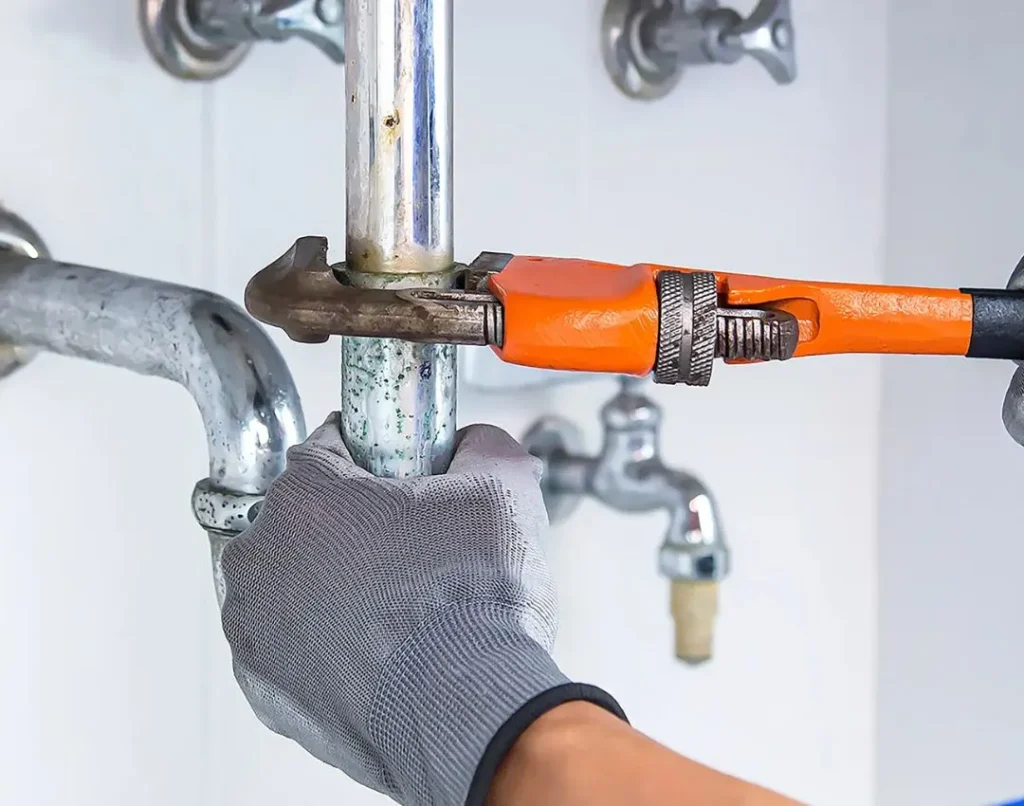
- Pipe clogs: Mineral deposits choke your water lines. If pressure drops, get your plumbing checked for hard water damage. When pipes get heavily scaled, professional hydro jetting blasts those rock-hard minerals right out.
How to Test Your Home’s Water
You can grab cheap test strips at any local hardware store for quick results, or look up your town’s annual water report online. Hardness is measured in Grains Per Gallon (GPG) or Parts Per Million (PPM):
Hardness Level | Grains Per Gallon (GPG) | Parts Per Million (PPM) |
Slightly Hard | 1.0 – 3.5 | 17 – 60 |
Moderately Hard | 3.5 – 7.0 | 60 – 120 |
Hard | 7.0 – 10.5 | 120 – 180 |
Very Hard | 10.5+ | 180+ |
Spotted these signs in your Columbia home? Don’t wait until your pipes choke completely. Call City Local Plumbing at (803) 884-8163 for a fast hard water damage inspection!
Is a Water Softener Worth It? (Cost + Decision)
Buying a whole-house unit costs good money. So, are water softeners worth it in the end? It really depends on your home water and your family needs.
When a softener actually pays off:
If your water tests high for minerals, getting a softener saves you money later. Big families use a lot of water. That makes hard scales build up fast inside pipes and heaters. If you have new dishwashers or washing machines, keeping hard minerals out stops early breakdowns. Plus, if anyone in your home gets dry, itchy skin after a shower, soft water helps a lot.
When you can skip it:
If your city water tests under 3.5 GPG, your water is already soft enough. A softener will not do much for you. The high price tag and extra space needs might also be a problem if you have a tight budget. Lastly, if you only want better drinking water at the kitchen sink, a small filter costs way less. It makes more sense than a big whole-house system.
Salt-Based vs. Salt-Free
- Salt-Based: Uses salt water to pull out hard minerals like calcium and magnesium. It is the best choice if you have severe hard water and thick scale.
- Salt-Free: Changes minerals so they do not stick to pipes, but leaves them in the water. It needs less care, but will not fix very hard water.
If hard water is already breaking your taps and machines, getting a salt-based softener is worth the cash.
Conclusion
Hard water is tough on homes. It wears out the water heaters fast. Pipes clog up before you even realize it. For most places dealing with hard water, buying a softener makes complete sense. You stop costly repairs and keep appliances running fine.
Already seeing crusty buildup on your taps? The damage might already be there. If you’re in Columbia, SC, and want your plumbing checked for hard water damage, or need scale-damaged pipes/water heaters repaired, call City Local Plumbing at (803) 884-8163. They stay open 24/7, so you can reach them anytime.