Case Studies
CS # 01
Root Intrusion in Older Columbia, SC Sewer Lines
A representative looked at how we approach this problem in Columbia, SC homes.
The Problem
When a toilet gurgles every time the washing machine drains, the issue is rarely in the bathroom branch. A shower drain that runs slowly, clears up for two days, and then bogs down again points to a restriction further down the line. Add a faint sewage smell near the front yard after heavy rain, and the diagnosis becomes clear. Multiple fixtures acting up at once always means the problem lies inside the main sewer lateral rather than an individual drain.
How We Diagnose It
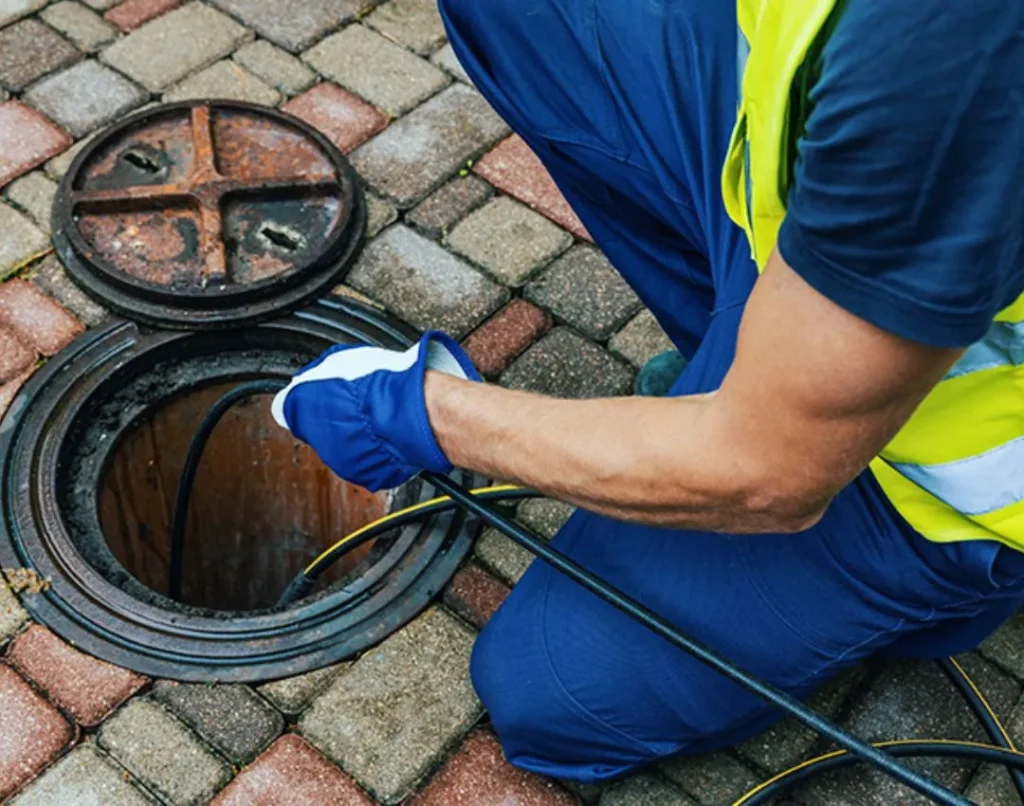
We begin by locating the main cleanout port outside the home foundation and removing the threaded cap. Standing water inside the riser immediately confirms the restriction sits downstream toward the street main. Next, we feed a waterproof inline camera with a digital distance counter down the line. We push past the house footprint to locate root clusters, cracked pipe walls, or standing water pockets. The distance counter pinpoints the exact footage where roots enter, ruling out simple paper clogs and showing us whether the pipe structure has actually collapsed.
Why It Happens in Columbia, SC
Pre-1950 homes across East Columbia and nearby historic districts rely on old vitrified clay pipe installed in short three-foot sections. Every single joint between those short sections acts as a potential failure point. Columbia’s native red clay soil expands during wet winters and shrinks in summer heat, pulling those unsealed joints open over time. When you combine constant ground movement with the massive, mature oak and pine tree canopy across older Columbia neighborhoods, thirsty root systems follow the moisture straight into those open pipe seams.
Choosing the Right Fix
The best repair method depends on pipe structural integrity:
- Spot Repair: Digging up a single broken four-foot section costs much less upfront. However, it leaves the rest of the aging clay pipe in place, meaning nearby roots usually break through adjacent joints within a few seasons.
- CIPP Trenchless Lining: Sliding an epoxy liner inside the pipe seals all open joints without ruining your landscaping. It requires an intact pipe frame, so it fails if the clay line has sagged or fully collapsed.
- Pipe Bursting: Pulling a seamless HDPE pipe straight through the old clay line destroys the old pipe and eliminates root entry joints entirely. It costs more initially but handles severe structural breaks.
What This Means for You
If multiple drains in your house gurgle or back up together, stop running water and book a video pipe check immediately. In Columbia, SC, homeowners own the entire sewer line repair Columbia, SC lateral from the house up to the city main connection, and local repairs require proper city permitting. Always ask your plumber for a raw copy of the camera footage before signing off on major line work.
CS # 02
Hard Water and Failing Water Heaters in Columbia, SC
A representative looked at how we approach this problem in Columbia, SC homes.
The Problem
That popping or deep rumbling noise from a water heater usually sounds like rocks boiling in a pan. A shower that turns lukewarm midway through, or hot water that runs out in half the time it used to, points to a clear heating issue. If your hot tap water comes out with a faint rusty tint while the cold tap stays crystal clear, the tank lining is wearing down. These symptoms mean mineral scale has built up on the tank floor and internal parts are wearing out.
How We Diagnose It
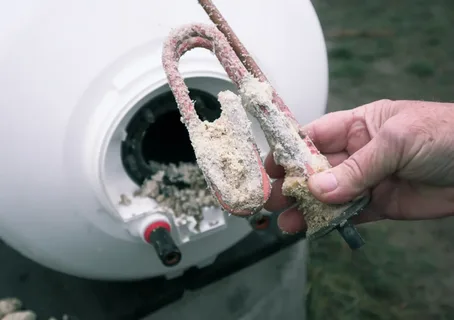
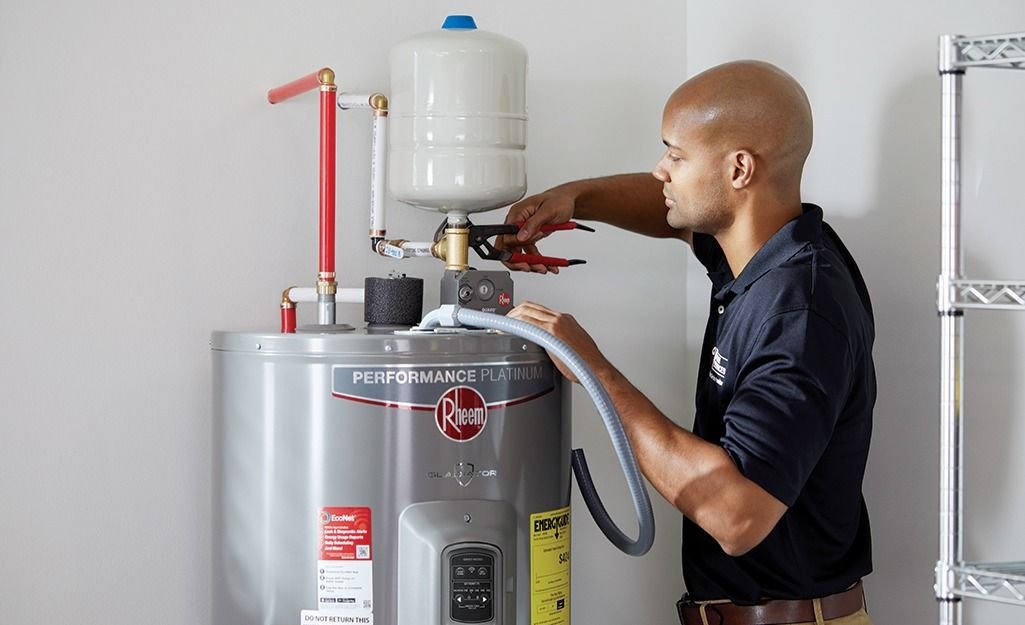
We start by checking the serial number on the tank label to pinpoint the unit’s exact age. Next, we connect a hose to the drain spigot and drain a few gallons into a bucket to check for heavy water heater sediment and rust flakes. We then unbolt and pull the anode rod to see if the protective zinc or aluminum coating has worn away to the bare steel wire. On electric systems, we check both upper and lower thermostats alongside the heating elements using a multimeter. On gas tanks, we test the thermocouple and burner control valve, finishing with a quick check of the temperature and pressure relief valve for active leaks.
Why It Happens in Columbia, SC
Water hardness in Columbia changes depending on which municipal supply zone or well network serves your neighborhood, with groundwater areas carrying far higher mineral levels than surface-water zones. Dissolved calcium and minerals separate from the water as it heats, forming a crusty layer of scale across heating elements and the bottom of the tank. This scale acts like a thick blanket between the burner and the water, trapping heat underneath. Water trapped beneath that mineral crust boils violently, causing those loud popping sounds and forcing the unit to run longer cycles that wear out the steel tank faster.
Choosing the Right Fix
Getting your hot water back depends on how old the system is and how well the tank has held up:
- Tank Flush and Anode Change: Draining built-up mineral scale and putting in a new anode rod gives the unit a fresh lease on life. This low-cost fix works great, provided the tank is under eight years old and the outer shell is completely dry.
- Component Repairs: Replacing a burnt-out heating element, bad thermostat, or failing gas valve is a practical choice for a mid-life tank with a solid shell.
- Full Tank Replacement: When an inner steel tank cracks and starts leaking water onto the floor, no patch or seal can save it. If a contractor offers to patch up a leaking tank, treat that as a serious warning sign.
- Tankless Conversion Columbia, SC: Switching over to a tankless setup does away with tank sediment and standby heat loss completely, though it takes a bigger upfront investment to check and upgrade gas lines or venting.
What This Means for You
If your water heater starts rumbling or loses hot water fast, get it looked at before the tank gives out completely. In neighborhoods with harder water, draining the tank once a year is the best way to prevent early failure. When calling out a plumber for water heater repair Columbia, SC residents should always ask the technician to inspect the anode rod before paying for expensive electrical part replacements.
CS # 03
What Actually Counts as a Plumbing Emergency
A representative looked at how we approach this problem in Columbia, SC homes.
The Problem
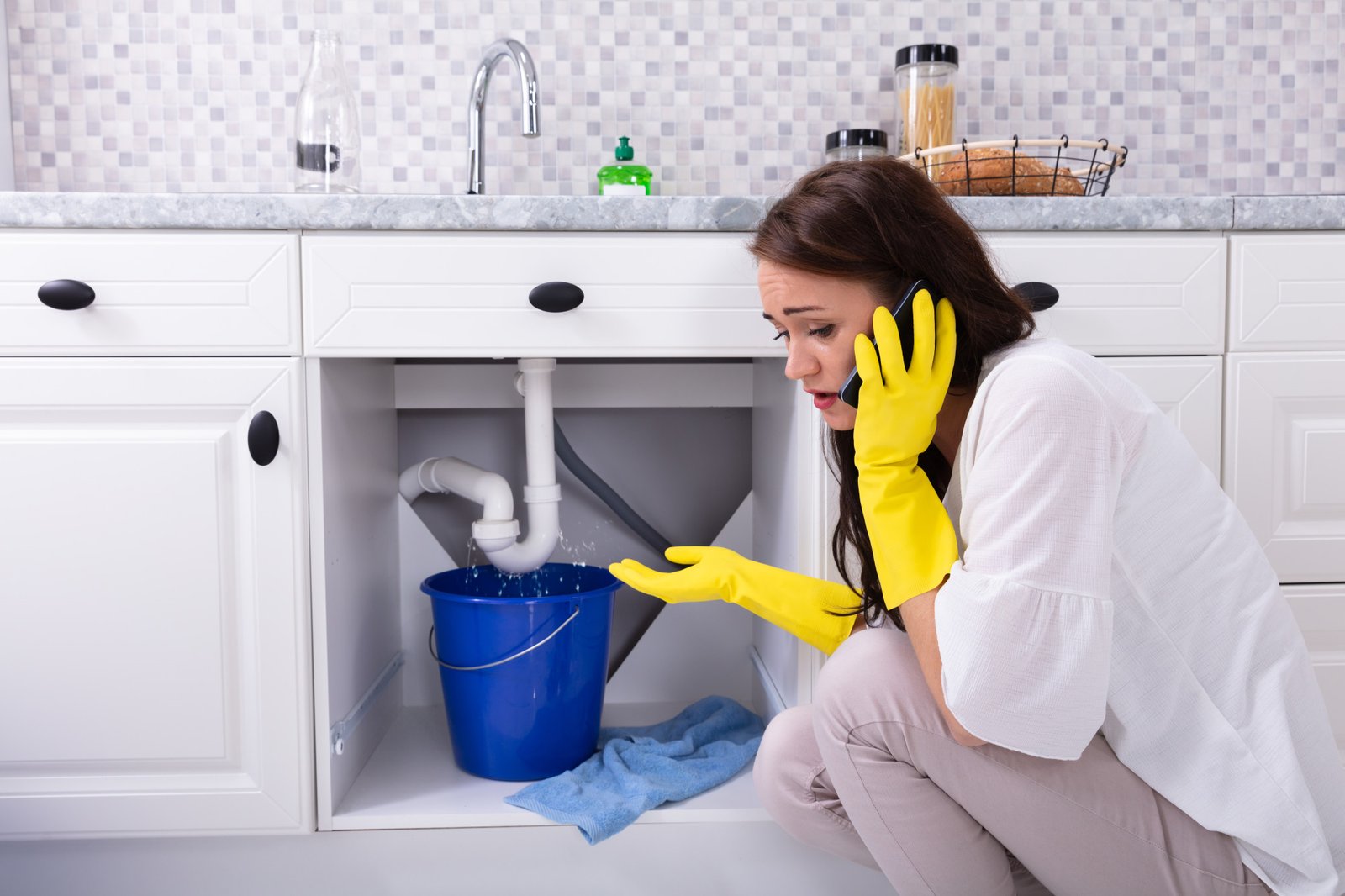
When you find water pooling across your floor, it is easy to panic. Figuring out whether you need to make a midnight service call comes down to two quick questions. Is water actively leaking into your living space right now? And do you have a way to shut it off? If water is continuously flowing and you cannot isolate it, or if raw sewage is bubbling up into your home, you have a real situation on your hands.
How to Take Control
Before you call for help, your absolute first step is killing the main water supply to protect your floors and drywall. In most Columbia, SC houses, you will find the main water shut off valve in a meter box near the curb, or right where the main pipe enters the building usually along a garage wall, near the water heater, or inside a crawlspace. Find this handle now so you are not searching for it in the dark. If an old brass valve feels completely frozen, do not force it with a wrench, or the metal stem might break off in your hands.
True Emergency vs. Next-Day Service
Understanding what actually needs an after hours plumber keeps you from paying extra for a simple fix:
- True Emergencies: A burst pipe Columbia, SC families wake up to that floods living quarters, a main sewer line backing up through floor drains, having zero running water, leaks dripping near electrical outlets, or smelling gas near your water heater (always call your gas provider first for gas leaks).
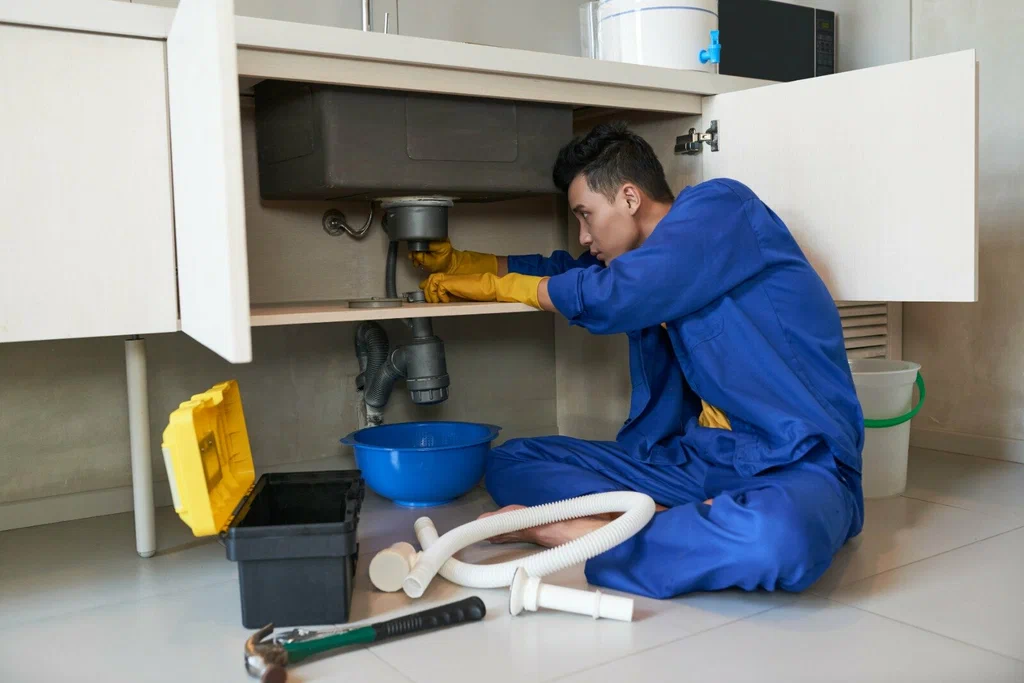
- Can Wait Until Morning: A single slow-draining bathroom sink, a kitchen faucet with a steady drip, a toilet that runs until you turn the wall knob, or one backed-up sink when every other drain works fine.
Why It Happens in Columbia, SC
Summer heat combined with slab foundation builds creates specific plumbing headaches in Columbia, SC. Water pipes laid inside concrete foundations expand and shift during long periods of hot weather, which leads to tiny pinhole slab leaks. These breaks usually show up as an odd warm spot on your kitchen tile or a massive jump in your water bill, rather than an obvious flood. On top of that, many older homes in the area still have their original gate valves, which lock up solid over time from mineral buildup and leave you helpless during a sudden burst.
What This Means for You
Walk through three quick tasks today: find your main water valve, check that the handle turns smoothly by hand, and save a local plumbing contact in your phone. If you ever have to search for an emergency plumber Columbia, SC technicians can handle the repair, but knowing how to turn off your own water buys you time and prevents thousands of dollars in water damage.
CS # 04
When Hydro Jetting Is the Right Call: And When It Isn't
A representative looked at how we approach this problem in Columbia, SC homes.
The Problem
A drain line that gets cabled clear only to back up again three months later is telling you something. Kitchen lines that slow down gradually over time, rather than clogging all at once, point to a thick coating along the pipe walls rather than a single stuck object. For commercial kitchens and heavy-use homes, recurring drain backups usually mean a standard cable machine is no longer keeping up with the buildup.
How We Diagnose It
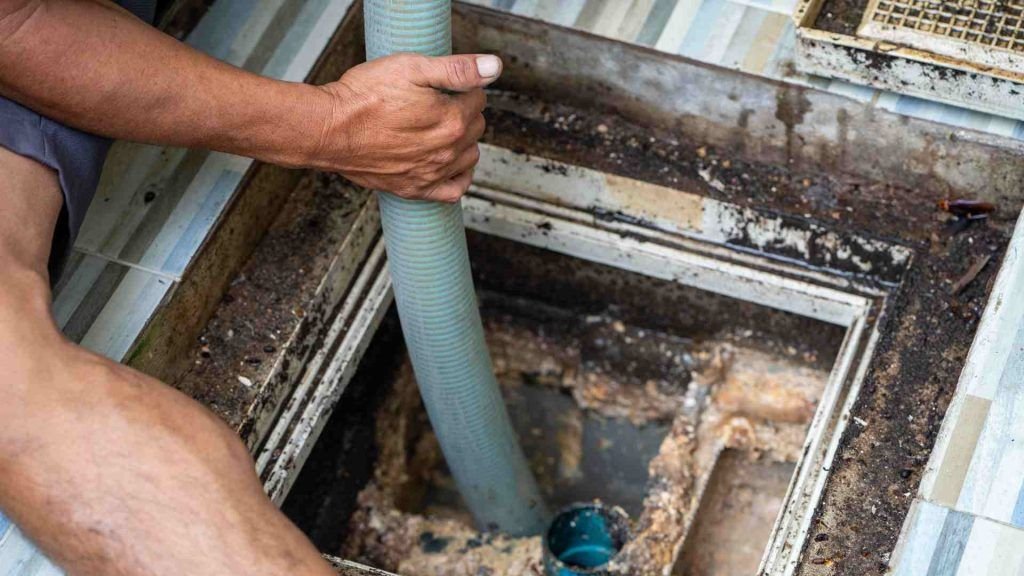
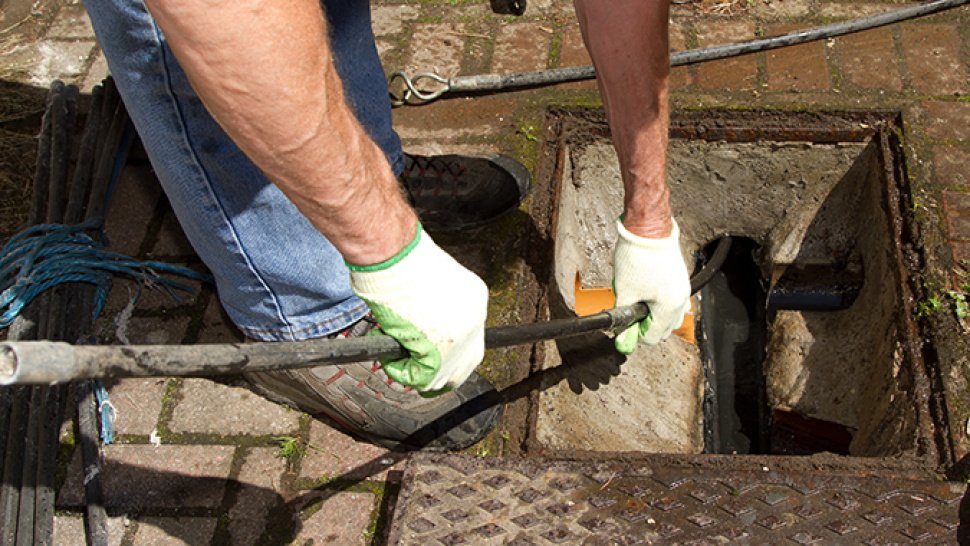
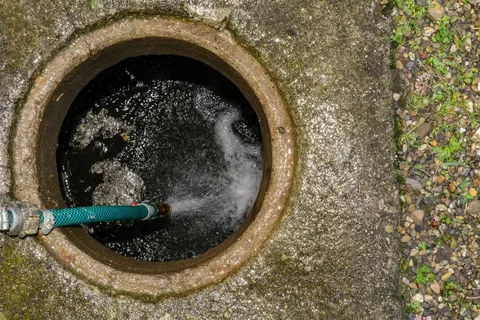
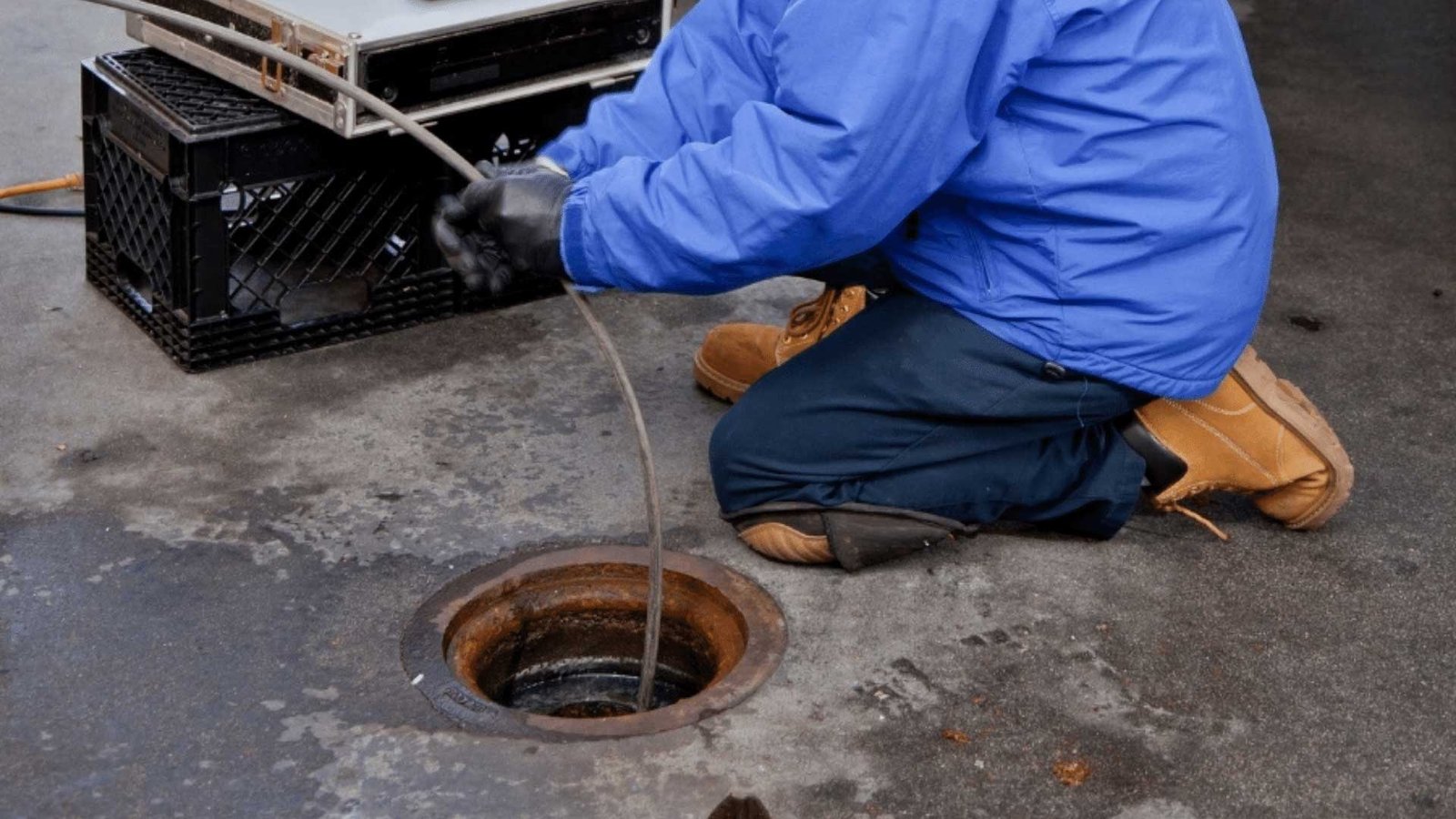
We never hook up a jetter without running an inline video camera through the pipe first. A traditional drain cable uses a steel blade to punch a hole through a soft clog, which restores flow temporarily but leaves a thick ring of grease and sludge stuck to the pipe walls. High-pressure sewer jetting uses a specialized rear-facing nozzle that sprays water at high pressure to scour the entire inner pipe diameter clean. The camera check tells us whether the pipe walls are structurally sound enough to handle that water pressure.
Why It Happens in Columbia, SC
Midtown and Downtown Columbia, SC feature a dense corridor of restaurants and older multi-family homes where grease buildup drain line issues are a daily headache. Warm kitchen fat, oils, and food scraps enter the drainage network and cool down, lining the interior of the pipes. In these heavy-use corridors, relying on repeated cabling turns into a losing battle because the blade just slides through the soft center of the grease layer without actually stripping the pipe clean.
Choosing the Right Fix
Clearing a main drain effectively comes down to matching the method to the pipe condition:
- Drain Cabling: Best for a single hard object clog or an immediate emergency overflow. It is quick and inexpensive, but it only opens a temporary passage through heavy grease.
- Hydro Jetting Columbia, SC: The right choice for clearing out grease, sludge, and scale from structurally sound pipes. However, jetting is the wrong tool for fragile lines, it can wash away the remaining structure of a crumbling pipe or destroy delicate materials.
- Pipe Repair or Replacement: Necessary when the camera reveals cracked clay, sagging sections, or collapsed lines. If your home has old Orangeburg pipe, a coal-tar material used in some post-war Columbia builds, jetting will shred the pipe walls completely.
What This Means for You
Before agreeing to any high-pressure drain cleaning vs hydro jetting service, insist that the plumber inspects the interior of the line with a camera first. A reputable technician will show you the exact pipe condition on screen to confirm the line can safely handle the pressure. If a contractor tries to jet an uninspected line, hold off until you see the footage.
CS # 05
One Slow Drain or a Main Line Problem? How to Tell
A representative looked at how we approach this problem in Columbia, SC homes.
The Problem
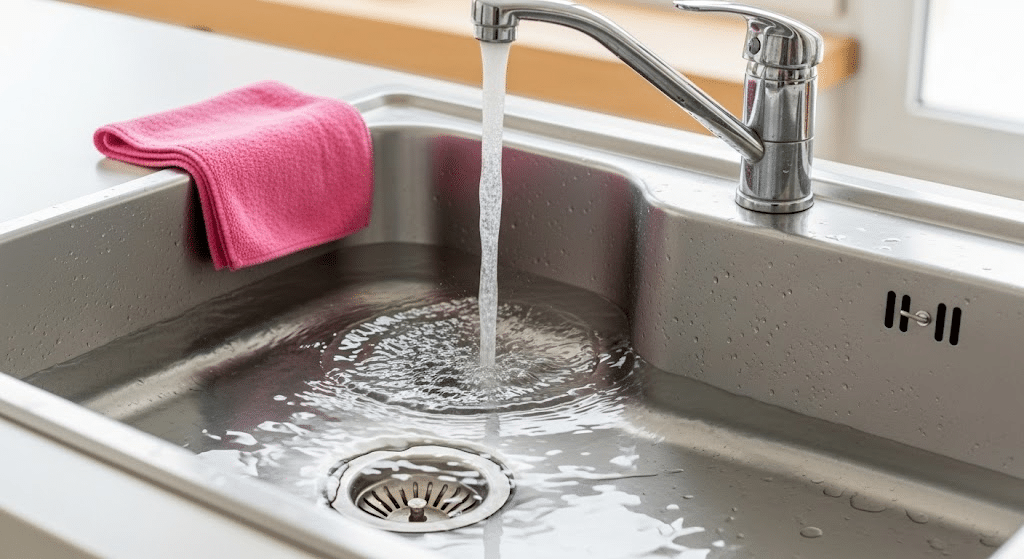
When water pools around your feet in the shower, the fix comes down to one basic diagnostic question: is it just this single fixture, or is another drain acting up too? You can run a simple self-test right now. Turn on the bathroom sink faucet, flush the adjacent toilet, and watch the tub drain. If water gurgles or bubbles up in the tub while the sink runs, you are dealing with a main line bottleneck rather than a simple trap clog.
How We Diagnose It
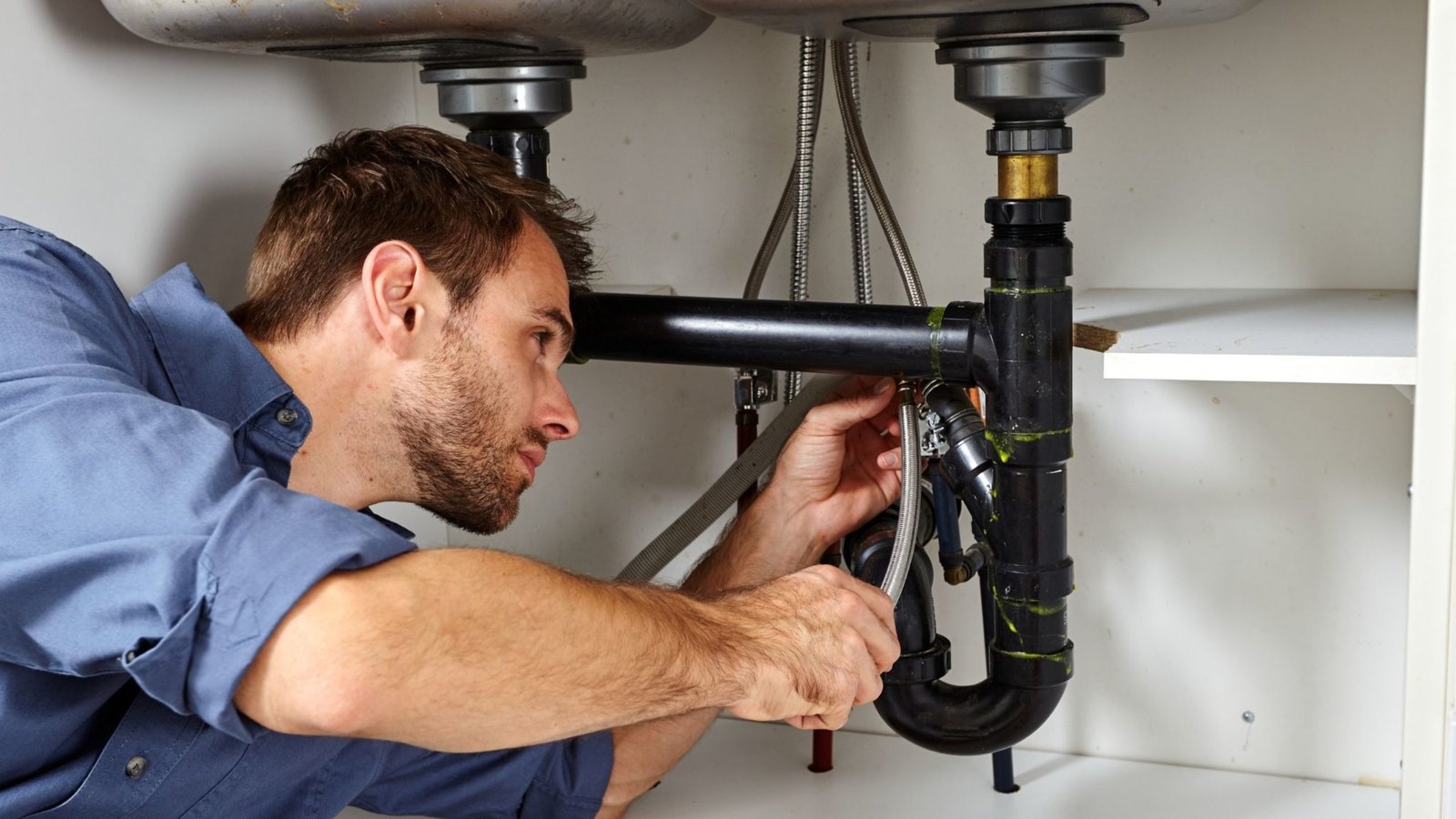
We isolate the problem by tracing where the restriction sits along the drainage network. A single slow fixture points to a localized blockage right in the P-trap or upper branch line—kitchen sinks collect grease and food scraps, while bathroom drains gather hair and soap scum. However, when multiple fixtures back up simultaneously, or when dirty water backs up into the lowest fixtures in the house first, the main line is obstructed. If a toilet bubbles when a nearby sink drains, that signals an issue in the main stack or roof vent line.
Why It Happens in Columbia, SC
Housing layout plays a huge role in how drains behave across Columbia. In 1950s slab-on-grade homes across Rosemont and College Greens, branch lines are buried straight through concrete foundation slabs, making access tight and requiring specialized cleanout points. Meanwhile, historic raised-foundation homes in Midtown and East Columbia feature accessible crawlspaces, but their aging galvanized steel and cast iron branch lines develop rough inner walls that snag hair and debris far more easily than modern plastic pipes.
Choosing the Right Fix
Clearing a system safely depends on where and why the blockage formed:
- Enzyme Treatments: Great for slow-draining lines caused by light organic buildup, but useless against solid objects or full clogs.
- Mechanical Cable Clearing: The right choice for punching through a localized hair or paper clog in a branch line.
- Hydro Jetting: Scours the entire inner wall clean when heavy grease or sludge causes recurring main line backups.
- Chemical Drain Cleaners: Never use store-bought chemical cleaners. They burn through aging metal pipes, rarely dissolve tough obstructions, and leave hazardous caustic chemicals standing in the pipe for the plumber who opens the line.
What This Means for You
If a single sink or tub drains slowly, a simple branch clearing usually takes care of it. But if the same drain backs up more than twice in a single year, the clog itself is just a symptom of a deeper issue. For reliable drain cleaning Columbia, SC homeowners should skip the harsh chemicals and insist on a video camera check to find out what is actually happening inside the pipe.
Every job on this page was handled by the same local plumbing company serving Columbia and the surrounding Midlands.
Why Columbia Homeowners Call Us Back
Every case above followed the same working method. Here is what that looks like on your property.
Clay laterals in the older neighborhoods, hard water off the municipal supply, slab builds out in the newer subdivisions. We diagnose for the housing stock you actually live in.
The camera goes down the line before the jetter comes off the truck. You get a cause, not a guess, and a repair matched to what the pipe can still handle.
What failed, why it failed, which fixes are on the table, and what each one means ten years from now. No jargon, no pressure to decide on the spot.
Sewer backups and burst lines do not wait for business hours. You get a real arrival window, not a callback promise.
Seeing the Same Signs at Your Place?
Tell us what your drains, sewer line, or water heater is doing. We will tell you what it usually means in Columbia, SC, and what it takes to put it right.